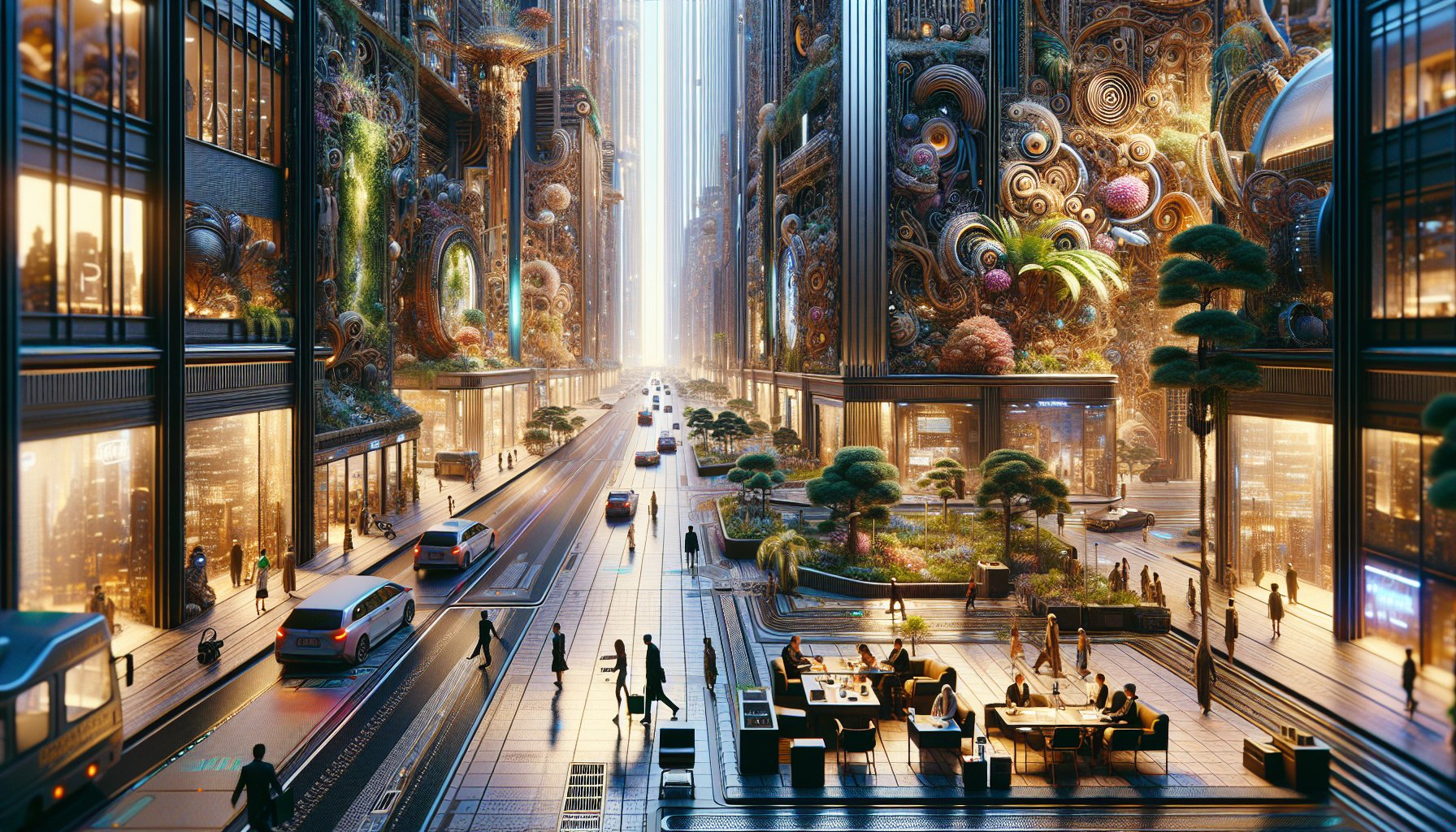
Design is not merely about attractive packaging or a pleasing appearance. It is a comprehensive science that combines aesthetics, functionality, and psychology. Every element of design, whether it be a logo, a website, or an interior space, influences our perceptions and emotions. In today's world, where information surrounds us at every turn, effective design becomes a key factor in achieving success.
Modern designers strive to create not only visually appealing objects but also those that are user-friendly. For instance, web design that ignores usability principles can lead to high bounce rates on a website. Users expect an intuitive interface that does not require extra effort to navigate. Therefore, when developing a design, it is crucial to consider the needs and expectations of the target audience.
Design also plays a vital role in brand formation. A logo, colour palette, and typography create the first impression of a company. A well-thought-out visual style can evoke trust and consumer loyalty. In this context, it is important not only to focus on the aesthetic aspect but also on consistency: all brand elements should harmoniously complement each other.
In recent years, there has been a noticeable trend towards sustainable design that takes environmental aspects into account. Designers are increasingly opting for eco-friendly materials and developing products that can be recycled. This approach not only meets modern societal demands but also attracts the attention of consumers who care about the planet's future.
Thus, design is a multifaceted discipline that combines art, technology, and psychology. It shapes not only the visual environment but also our perception of the world. It is essential to remember that quality design can not only enhance functionality but also make people's lives more beautiful and convenient.